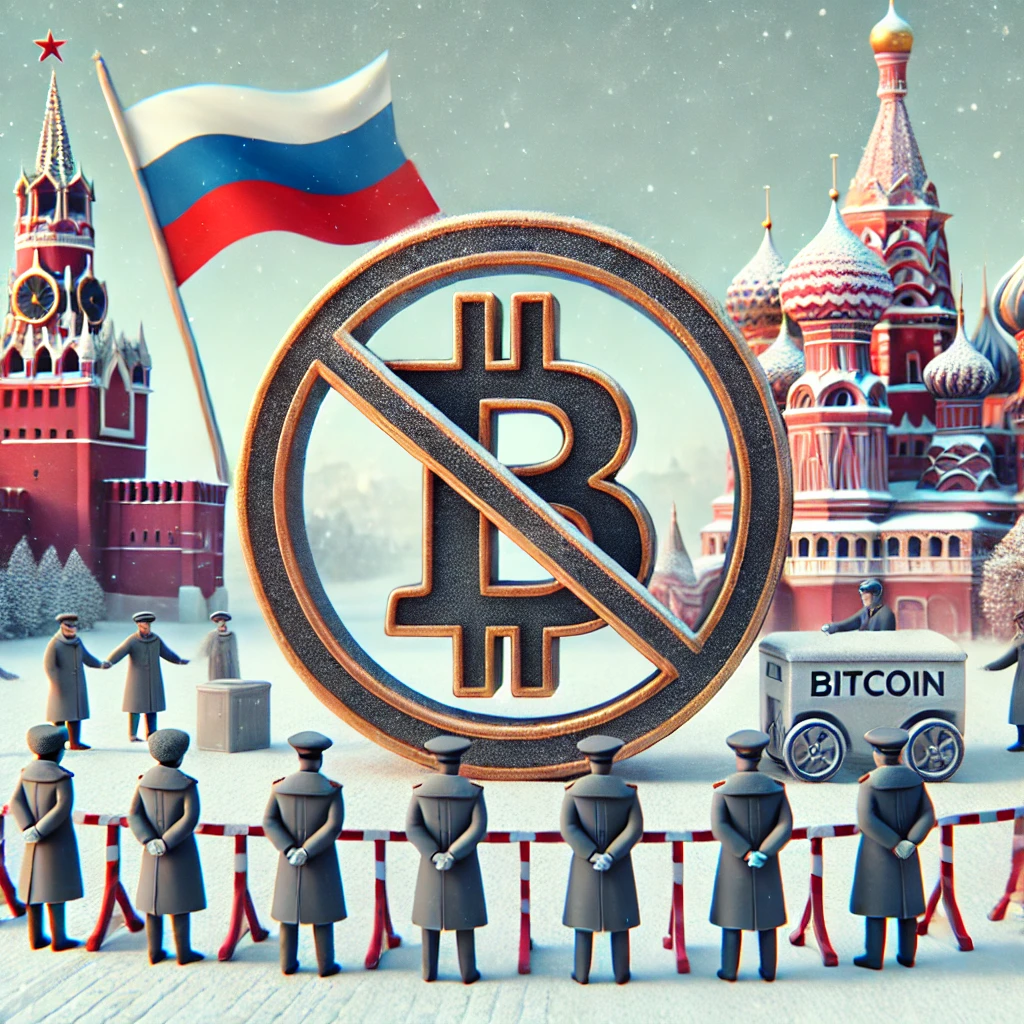
Russia has reaffirmed its commitment to traditional assets, particularly the Chinese yuan and gold, for its National Wealth Fund (NWF), rejecting the inclusion of Bitcoin and other cryptocurrencies due to their volatility.
Deputy Finance Minister Vladimir Kolychev stated that Russia has no plans to incorporate cryptocurrencies into the NWF, emphasising a continued focus on gold and yuan. Prior to the Ukraine conflict, the NWF’s holdings included euros, British pounds, Japanese yen, Chinese yuan, roubles, and gold. However, following international sanctions, the fund’s assets have been limited to yuan, roubles, and gold.
As of 1 February 2025, the NWF was valued at approximately $122.1 billion, with an estimated allocation of 60% in yuan and 40% in gold. This strategic shift highlights Russia’s preference for stable, tangible assets amidst global economic uncertainty.
Cryptocurrency Considerations
While some Russian lawmakers have proposed creating a strategic Bitcoin reserve to enhance financial stability and counteract sanctions, the Finance Ministry remains cautious. Kolychev highlighted that the NWF aims to accumulate 7% to 10% of GDP in low-risk, liquid assets before considering more volatile options such as cryptocurrencies.
The exclusion of Bitcoin reflects concerns about price instability and regulatory risks associated with digital assets. Despite growing global adoption of cryptocurrencies, Russia continues to favour conventional financial instruments for national reserves.
Market Dynamics
The global economic landscape has seen increased interest in gold as a safe-haven asset. Over the past 30 days, gold prices have risen by 2.36%, trading at $2,914.76 per ounce. In contrast, Bitcoin has experienced a 6.20% decline during the same period, currently valued at $89,615.
Russia’s decision underscores a preference for stable, traditional assets in its national reserves, reflecting a cautious approach to the inherent volatility of the cryptocurrency market. This move also aligns with Russia’s broader economic strategy to mitigate the impact of Western sanctions while maintaining financial stability.
The Future of Cryptocurrency in Russia
Despite the Finance Ministry’s reservations, discussions around adopting cryptocurrencies for international trade and reserve diversification continue. As digital assets gain traction globally, Russia may revisit its stance on Bitcoin and other cryptocurrencies if market conditions stabilise and regulatory frameworks evolve.
Disclaimer: Cryptocurrency investments carry inherent risks due to market volatility and regulatory uncertainties. Always perform due diligence and seek professional advice before making financial decisions.