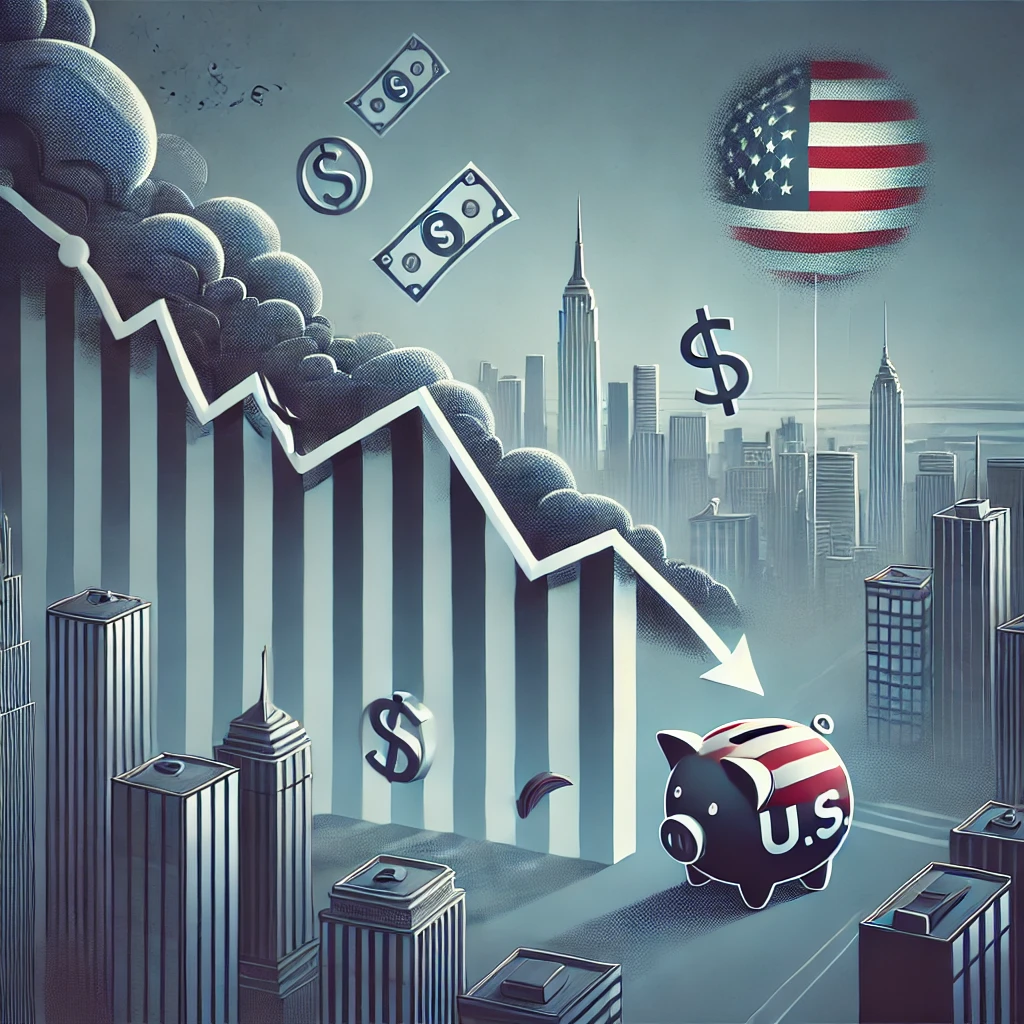
Financial markets faced a sharp downturn on 10 March 2025, as both cryptocurrency and technology stocks suffered significant losses amid growing recession concerns. JPMorgan economists have raised the likelihood of a U.S. recession to 40%, up from 30% earlier this year, citing increased risks stemming from current economic policies and global uncertainties.
The Nasdaq Composite Index plummeted by 4%, reaching a six-month low, while the Dow Jones Industrial Average fell by 2.1%, equivalent to a drop of approximately 900 points. The S&P 500 also declined by 2.7%. Notably, Tesla shares plunged by 15.4%, while other major technology firms, including Apple, Microsoft, and Amazon, experienced substantial losses. This widespread sell-off reflects mounting investor anxiety regarding the possibility of an economic downturn.
The cryptocurrency market mirrored these declines, with Bitcoin falling below $80,000, marking its lowest value in two years. This sharp drop in Bitcoin’s price has raised concerns about the stability and future prospects of digital currencies. Other major cryptocurrencies also faced considerable losses, exacerbating fears of prolonged market volatility.
President Donald Trump acknowledged the economic slowdown, describing it as a “period of transition” while refusing to rule out the possibility of a recession. His comments have added to the uncertainty, intensifying investor apprehension and contributing to the ongoing market turbulence.
In light of these developments, financial analysts are urging investors to adopt cautious and diversified strategies to navigate the volatile economic landscape. The heightened uncertainty underscores the importance of risk management and long-term planning as markets grapple with the prospect of a potential U.S. recession.
As the global financial environment remains fragile, market participants will closely monitor upcoming economic indicators and policy responses. The ability of the U.S. economy to avoid a recession will likely depend on the effectiveness of fiscal and monetary measures, as well as broader global economic conditions.